

Why You Keep Attracting the Wrong Partners: Breaking the Cycle for Good
What’s up, my beautiful people. Welcome back to You Are You Unapologetically, the space where we have real conversations about healing, growth, confidence, and becoming who God called you to be without apology.
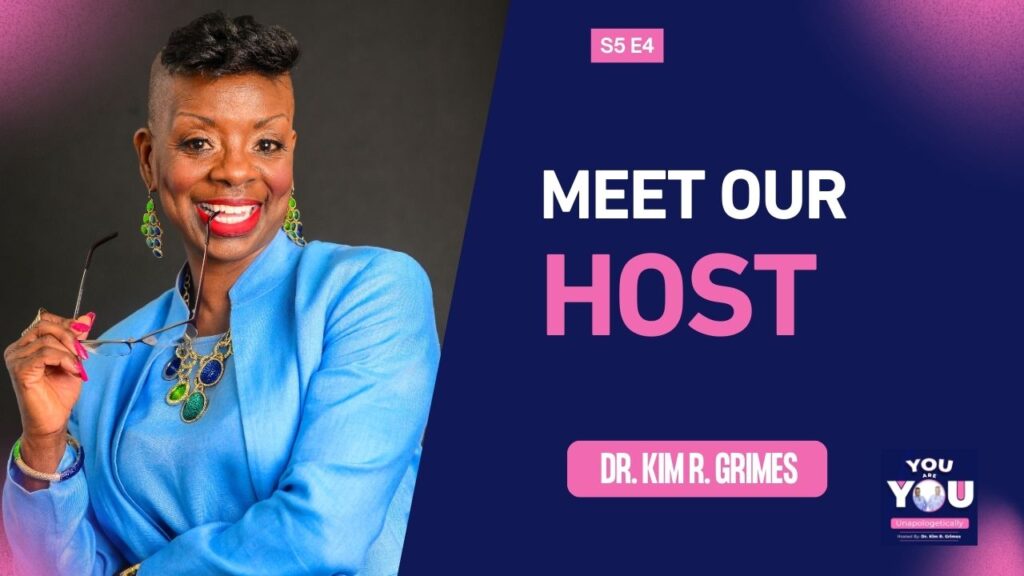
I’m your host, Dr. Kim R. Grimes. I am a renowned relationship expert, motivational speaker, and the founder of You Are You Unapologetically, a platform dedicated to empowering women to embrace their true selves and live boldly in their relationships and careers. With a background in psychology, counseling, and personal development, I have spent over two decades helping individuals heal, grow, and build healthier, more fulfilling relationships.

Why This Topic Matters
Wrong relationships don’t just waste time.
They drain your peace.
They drain your confidence.
They drain your emotional energy.
And after enough disappointment, you can start believing:
- “Maybe love isn’t for me.”
- “Maybe I’m the problem.”
- “Maybe I should accept less.”
No.
The issue is often not who you attract, it’s what you tolerate, what you normalize, and what feels familiar before it feels healthy.
View the Episode Here
Listen To The Episode Here
What “Wrong Partners” Usually Means
When people say “wrong partner,” they’re usually describing patterns like:
- inconsistency
- emotional unavailability
- mixed signals
- lack of accountability
- hot-and-cold behavior
- avoidance of commitment
- being chosen in private, but not honored in public
Here’s the key: A wrong partner isn’t always a bad person.
Sometimes they’re simply not aligned.
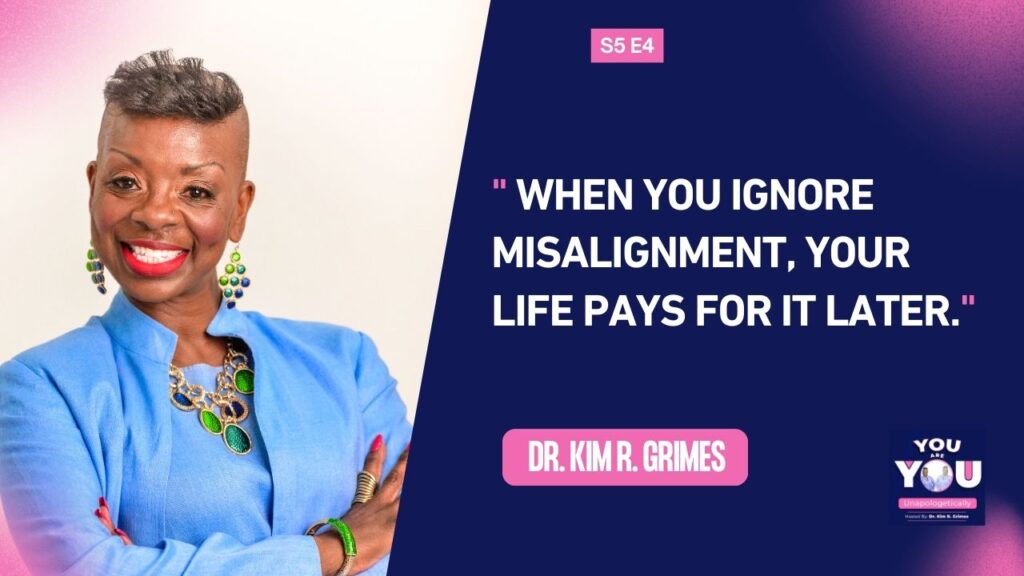
Different values. Different maturity. Different readiness. Different emotional capacity. And when you ignore misalignment, your life pays for it later.
The Root of the Pattern
Cycles don’t break until the root is exposed. Here are common roots that keep people stuck:
Root #1: Familiar feels like chemistry
If chaos was normal for you, peace can feel boring at first.
Root #2: Attachment wounds
If love used to be inconsistent, your nervous system can learn to chase it.
Root #3: Low self-worth
If you don’t believe you deserve consistent love, you may accept inconsistency—and try to earn what should be given freely.
Root #4: The rescuer mindset
You keep choosing “projects,” believing your love can heal what they refuse to address.
And I need you to hear this clearly:
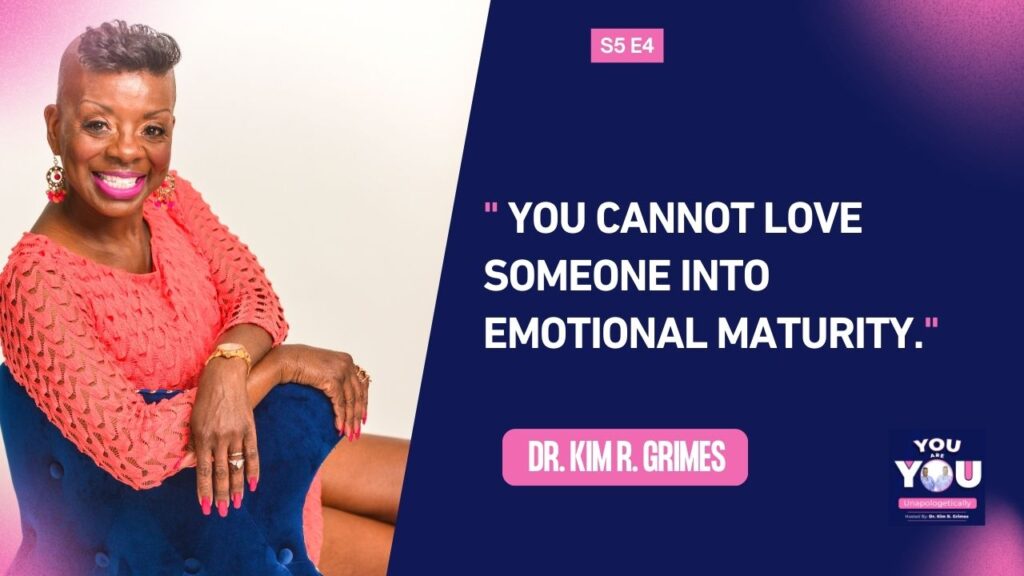
You cannot love someone in to emotional maturity.
You cannot overgive your way into being chosen properly.
The Break-the-Cycle Framework
Pause. Pattern. Proof. Protection.
If you want a simple framework to break this cycle for good, start here:
1) PAUSE
Stop bonding quickly. Stop rushing.
Give yourself time to observe.
2) PATTERN
Look for repeated behavior, not potential.
Ask yourself: “What do they consistently do?”
3) PROOF
Require alignment to be demonstrated—over time.
Words are nice. Consistency is proof.
4) PROTECTION
Protect your peace with boundaries.
If it’s confusing, it’s a no.
If it’s inconsistent, it’s a no.
If it costs you your self-respect, it’s a no.
Quick safety note: If you are experiencing controlling behavior, threats, manipulation, or harm, please seek trusted support and prioritize your safety.
Identity and Alignment: The “You Are You Unapologetically” Moment
You don’t break relationship cycles by getting luckier.
You break them by getting clearer.
Clearer about who you are.
Clearer about what you need.
Clearer about what you will no longer tolerate.
Because healed people don’t chase.
They choose.
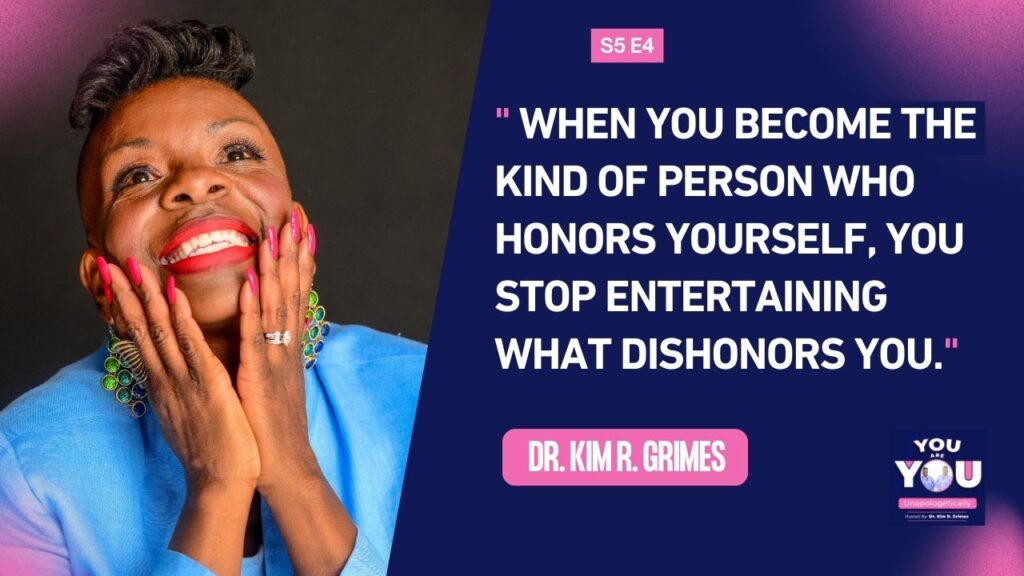
And when you become the kind of person who honors yourself, you stop entertaining what dishonors you.
That is what it means to be you, unapologetically.
Action Step for Today
Step 1: Pattern Audit
Write your last 2–3 partners (or situationships) and answer:
- What did they all have in common?
- What red flag did I ignore early?
- What did I tolerate because I wanted it to work?
Step 2: Non-Negotiables
Write 5 non-negotiables (examples):
- consistency
- honesty
- emotional availability
- respect
- shared values
Step 3: The Pause Practice
Before you attach, ask:
- Is this aligned, or familiar?
- Is this peace, or anxiety?
- Is this a pattern I’m repeating?

Key Takeaways
- “Wrong partners” often reflect familiar patterns and tolerate misalignment.
- Chemistry is not always compatible.
- Patterns matter more than potential.
- Boundaries are protection, not punishment.
- Choosing yourself breaks the cycle.
If this spoke to you, share this with someone who keeps asking, “Why do I always end up here again?” Because no one is better at being you than you.