
Introduction
In our previous article, we explored the power of transformation and how evolving into the best version of yourself begins with self-awareness, release, and intentional action. Transformation opens the door to growth but mindset determines how far you walk through it.
Many people desire change, yet remain limited by the way they think about themselves, their abilities, and their potential. They want more, but internally question whether more is possible for them.
This is where mindset matters.
A growth mindset is not about positive thinking or ignoring reality. It is about believing that growth is possible, skills can be developed, and your current circumstances do not define your future.
At KimRGrimes, we believe mindset is the lens through which life is experienced. When that lens expands, opportunity expands with it.
In this article, we’ll explore why a growth mindset is essential for success, what it truly means to adopt one, and the practical ways you can begin unlocking potential you may not even realize you possess.

Why Mindset Matters More Than Talent
Many people believe success belongs only to the most talented, gifted, or confident individuals.
But in reality, mindset often matters more than talent.
Without a growth mindset, people may:
- avoid challenges
- fear failure
- give up easily
- doubt their abilities
- stay stuck in comfort zones
- interpret setbacks as personal flaws
Over time, this limits progress not because of lack of ability, but because of lack of belief.
On the other hand, individuals with a growth mindset:
- see challenges as opportunities
- learn from mistakes
- persist through difficulty
- seek feedback
- adapt to change
- continue improving
They understand that growth is a process, not a destination. A growth mindset turns obstacles into teachers and effort into progress. And that shift changes everything.
Understanding What a Growth Mindset Really Is
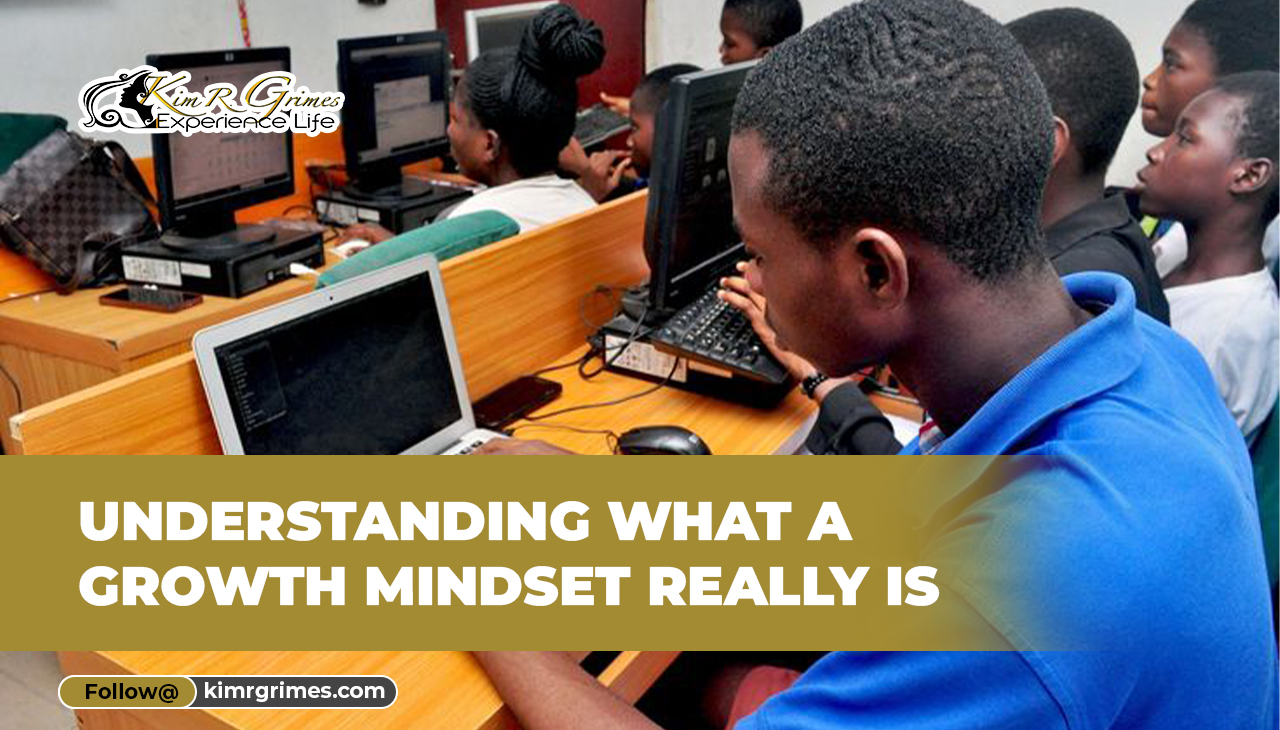
A growth mindset is the belief that abilities, intelligence, and skills can be developed through effort, learning, and experience.
It does not mean you are good at everything.
It means you are capable of learning.
A growth mindset says:
- “I’m still learning.”
- “I can improve with practice.”
- “This challenge is helping me grow.”
- “Failure is feedback, not a verdict.”
- “Progress matters more than perfection.”
In contrast, a fixed mindset believes:
- “I’m just not good at this.”
- “If I fail, it means I’m not capable.”
- “I should already know this.”
- “If it’s hard, it’s not for me.”
Mindset shapes interpretation.
Interpretation shapes emotion. Emotion shapes action. And action shapes results. A growth mindset doesn’t eliminate fear; it simply refuses to let fear decide the outcome.

Practical Steps to Develop a Growth Mindset
Mindset is not something you either have or don’t have. It is something you practice. Here’s how to begin strengthening it intentionally.

1. Become Aware of Your Inner Dialogue
Transformation starts with awareness.
Pay attention to how you speak to yourself when things feel difficult.
Notice statements like:
- “I can’t do this.”
- “I’m not good enough.”
- “I always mess things up.”
These thoughts often operate automatically.
Replace them gently with:
- “I’m learning.”
- “This is challenging, but possible.”
- “I’m growing through this experience.”
Language shapes belief.
Belief shapes behavior.
Shifting your inner dialogue creates mental space for growth.

2. Reframe Failure as Feedback
Failure is one of the greatest teachers if you allow it to be.
Instead of asking:
“Why did I fail?”
Ask:
“What did this teach me?”
Every setback contains information.
Information leads to adjustment.
Adjustment leads to improvement.
A growth mindset does not avoid mistakes.
It learns from them.
And learning accelerates progress.
3. Focus on Progress, Not Perfection
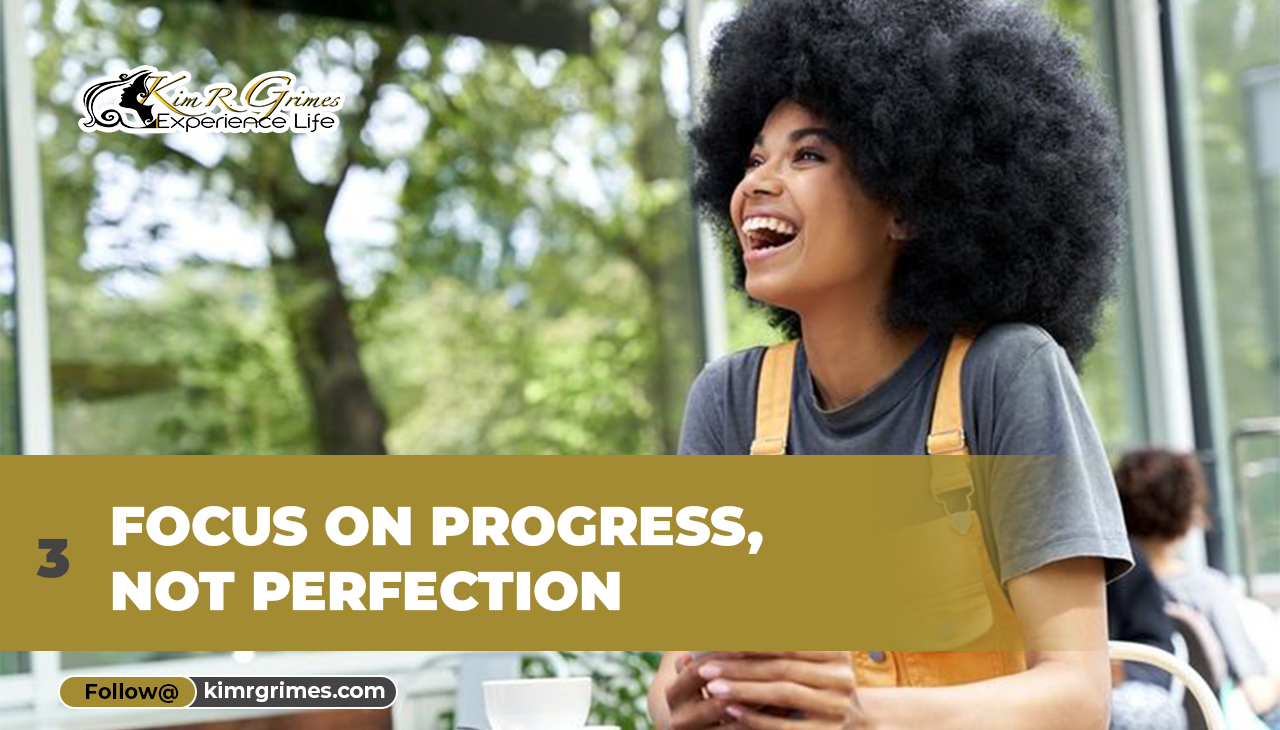
Perfection often creates paralysis.
People delay action because they want everything to be flawless.
But growth requires movement.
Measure success by progress, not perfection.
Celebrate:
- small wins
- lessons learned
- effort applied
- consistency shown
Progress compounds over time.
What feels small today becomes significant tomorrow.
Growth mindset honors the journey not just the destination.

4. Seek Learning Opportunities Consistently
People with growth mindsets are lifelong learners.
They actively seek:
- feedback
- new perspectives
- education
- mentorship
- experiences that stretch them
Instead of seeing learning as evidence of weakness, they see it as a strength.
Learning keeps you adaptable.
Adaptability keeps you relevant.
And relevance supports long-term success.

5. Surround Yourself with Growth-Oriented People
Mindset is influenced by the environment.
If you are surrounded by people who discourage growth, fear change, or settle for less, it becomes harder to think expansively.
Choose environments that:
- encourage learning
- normalize growth
- support evolution
- celebrate effort
Growth thrives in supportive spaces.
And supportive spaces nurture confidence.
Helpful Tools to Support a Growth Mindset
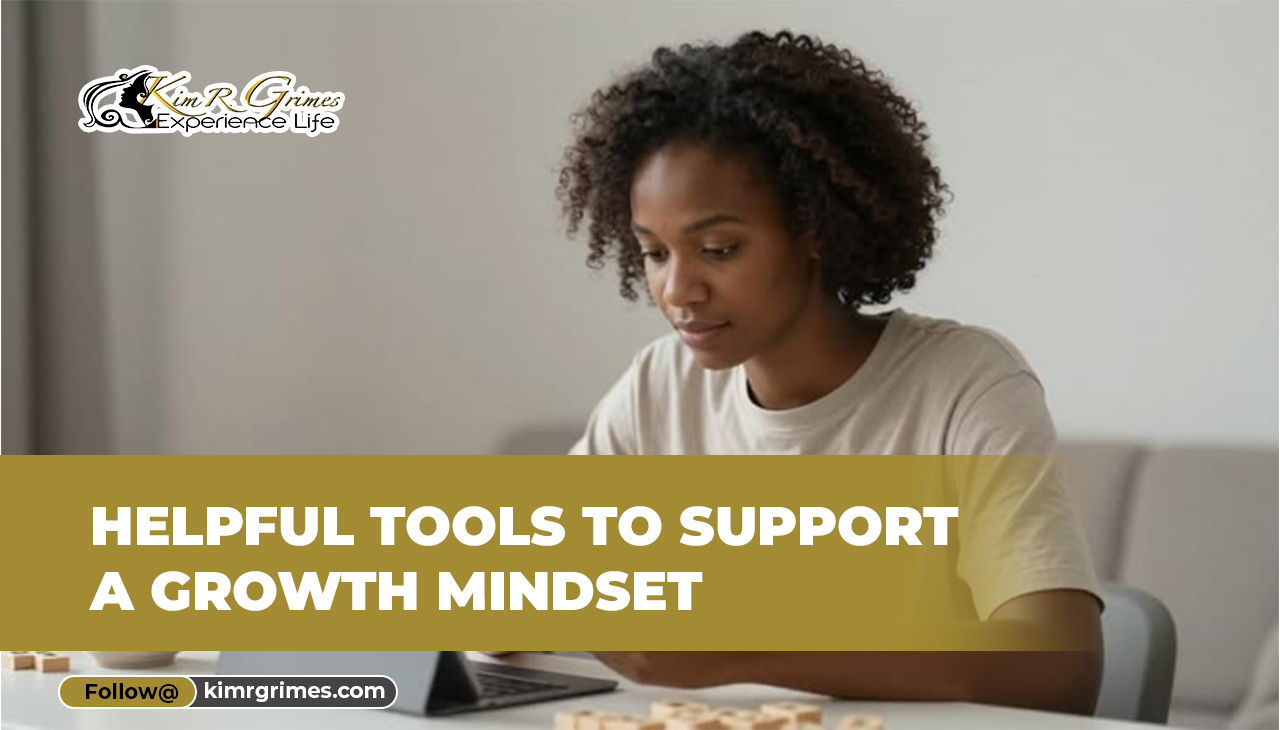
Practical tools can help reinforce growth-oriented thinking.
Consider using:
- reflection journals
- affirmations or mindset prompts
- coaching or mentorship
- learning plans
- accountability partners
- regular self-check-ins
These tools make mindset work intentional rather than accidental.
Consistency strengthens mental habits.
And mental habits shape outcomes.
Long-Term Strategies for Sustaining Growth
A growth mindset is not developed once.
It must be nurtured continuously.
To sustain it:
- challenge yourself regularly
- reflect on lessons learned
- stay curious
- remain open to feedback
- practice self-compassion
Growth looks different in every season.
Honor where you are while remaining open to where you are going.
Mindset evolves as you evolve.
And that evolution keeps life expansive.
Conclusion
Your potential is not fixed.
It is flexible.
Expandable.
Evolving.
A growth mindset allows you to see challenges as stepping stones rather than barriers. It empowers you to move forward even when clarity feels incomplete.
At KimRGrimes, we believe success is not reserved for the fearless; it belongs to those willing to grow.
Because when you believe growth is possible, effort becomes meaningful.
And when effort is meaningful, transformation becomes inevitable.
Important Links:
Honor where you are while remaining open to where you are going.
Measure success by progress, not perfection.